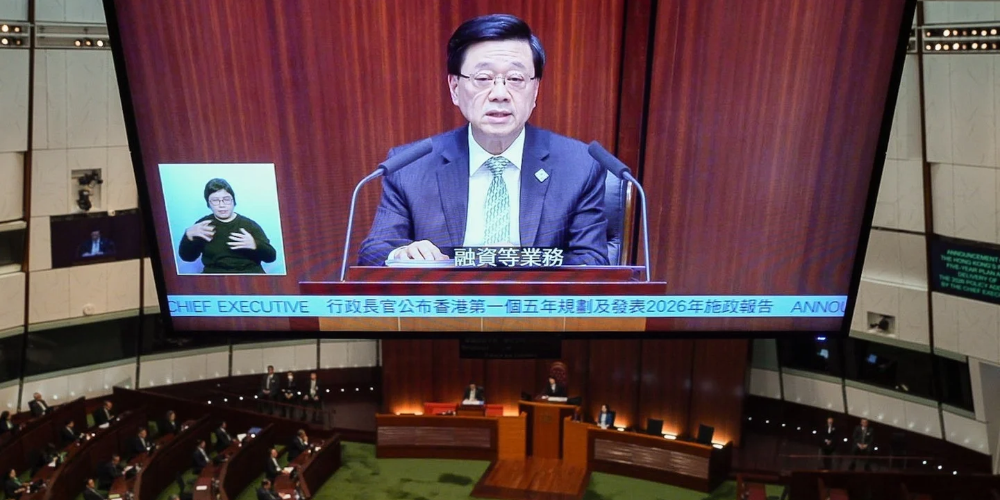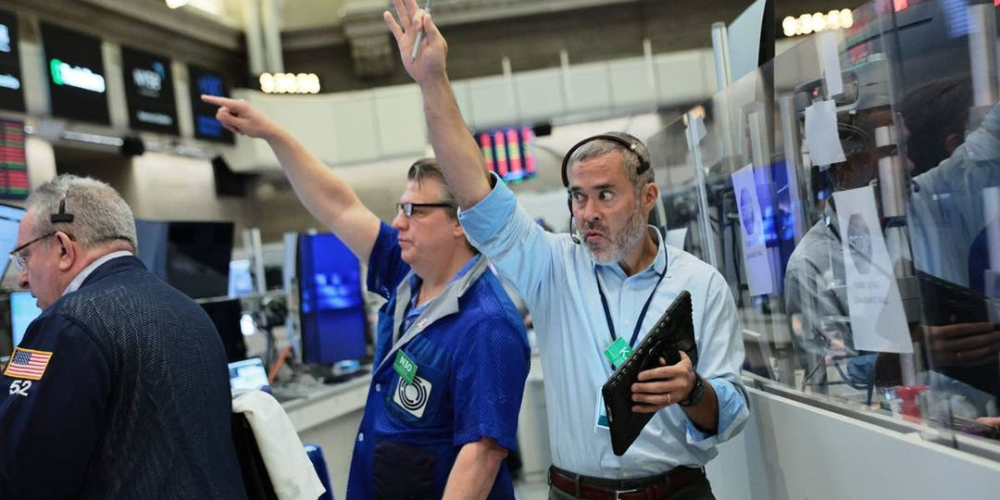
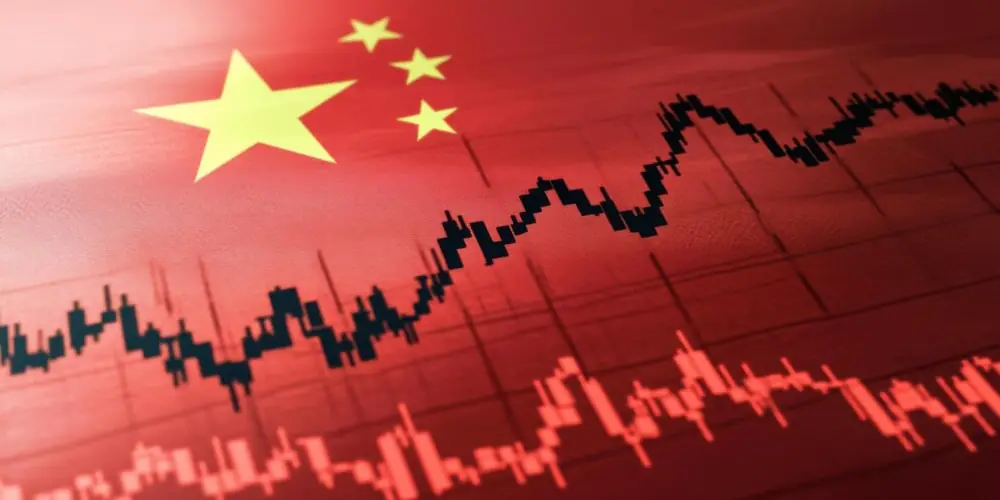
Growing tensions between the U.S. and China have begun to stir significant waves in the financial sector. This week, Wu Qing, chairman of the China Securities Regulatory Commission (CSRC), addressed how ongoing U.S. tariff policies have directly affected investor confidence and market activity.
His comments, delivered during a recent press briefing, revealed just how much strain these economic headwinds have placed on China’s capital markets.
Market Volatility Meets Political Friction
As U.S. tariffs intensify, Chinese regulators now face the challenge of stabilizing local markets without losing long-term growth potential. Wu underlined that the nation needs to take immediate action.
According to him, “pressure from these policies has not only disrupted trade but has also reduced the appeal of Chinese stocks for global investors.”
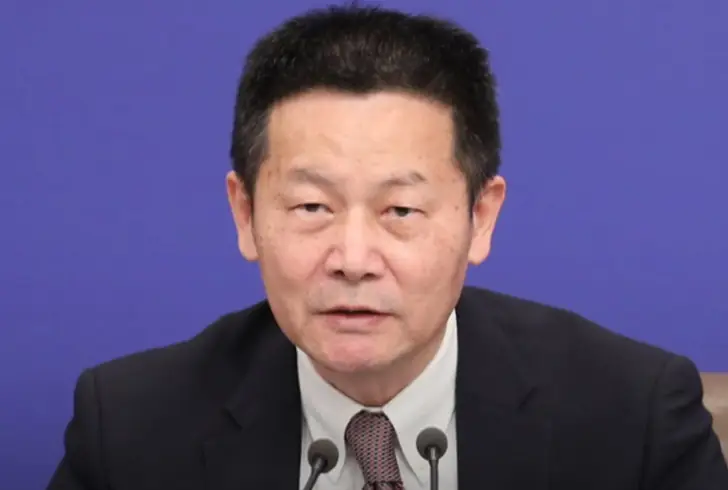
However, despite these short-term hurdles, Wu pointed out that long-term capital continues to see value in Chinese assets. That confidence stems from China’s strong industrial base, ongoing economic reforms, and its ability to rebound even during periods of geopolitical friction.
A-Shares Face Pressure, Get Support
In particular, A-share listed companies—which represent mainland China’s publicly traded firms—have absorbed much of the tariff shock. These businesses, many of which operate in manufacturing, technology, and export-heavy sectors, now feel the ripple effects as U.S. restrictions narrow profit margins.
Wu made it clear that the government won’t sit idly by. He noted that China will provide support to affected companies, helping them navigate through this volatile environment. Measures may include policy tools, strategic investment channels, and potentially regulatory adjustments to encourage sustained growth and liquidity.
Confidence in Domestic Growth Remains
Despite mounting tariff pressure, Chinese officials still appear confident. Wu Qing reiterated that China’s capital markets remain attractive, particularly in the eyes of global investors who value economic resilience. This appeal, he suggested, becomes stronger as international markets face increasing volatility from political shifts and inflation concerns.
He added that, “during uncertain times, many investors turn to stable, reform-driven economies like China’s. That gives us more leverage to attract long-term capital inflows.” Wu believes that if regulators can support liquidity and shore up investor confidence, China’s markets can weather the storm.
Tariffs Reshape Investment Strategy
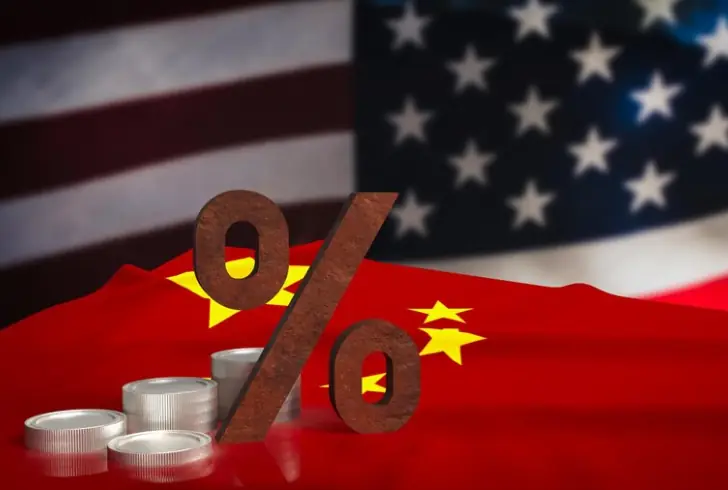
In response to the U.S. tariff increase, many investment firms have begun shifting strategies. While short-term holdings experience turbulence, several long-term funds are now targeting undervalued Chinese equities. These funds seek to capitalize on post-recovery growth potential, especially in industries like green energy, artificial intelligence, and digital infrastructure.
Although tariff-related anxiety remains high, China’s evolving investment landscape has encouraged more diversified participation from domestic and foreign players alike.
Strategic Adjustments Take Center Stage
Wu mentioned that now is the time to strengthen internal policy frameworks. By adapting to market needs and removing unnecessary red tape, the CSRC plans to boost market resilience. This includes making A-shares more accessible to institutional investors and possibly introducing new mechanisms to encourage retail investment.
At the same time, companies affected by tariffs could receive tailored guidance to help mitigate financial strain. Many expect these moves to gradually improve investor sentiment, while laying the foundation for a more adaptive and transparent market system.
What This Means for Global Investors
While tariff announcements may cause sharp market reactions, savvy investors are focusing on deeper structural signals. Wu Qing’s comments hint at the strategic direction of China’s financial governance. Amid global uncertainty, China’s measured response could offer opportunities for those seeking stable growth.
Some analysts suggest that instead of retreating, investors may reassess their portfolios, potentially driving renewed interest in Chinese stocks as part of a long-term recovery and reform strategy.
To navigate rising external pressures, Chinese regulators are shifting gears—reinforcing domestic capital flows and adjusting policy tools. These proactive efforts aim to restore investor confidence and stabilize markets.