
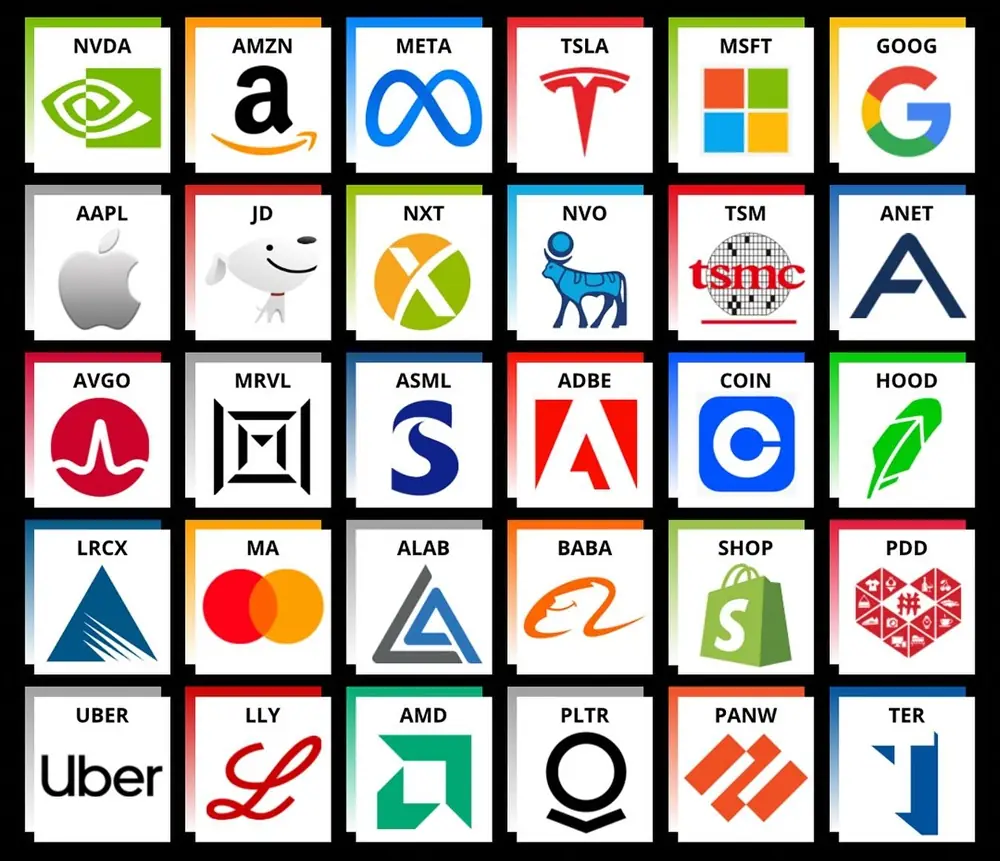
Stocks pulled back as a wave of selling in technology companies weighed on Wall Street, leaving investors cautious heading into September. The month has a long reputation as the toughest stretch for U.S. equities, and the timing adds pressure with inflation staying stubborn and Federal Reserve policy decisions just weeks away.
Tech Pressure Drags on Stocks
The S&P 500, which had been climbing steadily through August, fell from its record highs after a sharp drop in its most influential sector. The Nasdaq 100 slid more than 1%, underscoring how fragile gains can be when tech leaders stumble.
Nvidia, Dell, and Marvell Technology were among the biggest drags as concerns over profit margins and slowing demand for AI infrastructure rattled traders.
August closed with the S&P 500 logging a fourth straight month of gains, but September historically brings increased volatility. Institutional rebalancing, lighter retail trading activity, and seasonal weakness all tend to collide, creating sharp swings.

Inflation Data and Fed Rate-Cut Odds
Fresh data showed the Fed’s preferred inflation gauge, the core personal consumption expenditures price index, rose 0.3% in July. On an annual basis, it edged up to 2.9%—the highest since February. While the figures matched forecasts, the persistence of inflation leaves policymakers in a delicate spot.
Treasuries gained in August on expectations that the Fed will begin cutting rates this fall. The two-year yield, which is most sensitive to policy changes, dipped to 3.62%. Traders still see a September cut as likely, but the scale will depend on upcoming labor data.
Fed Chair Jerome Powell recently acknowledged that risks are shifting, with slowing job growth posing a greater threat than lingering price pressures. Other Fed officials, including Christopher Waller and Mary Daly, have hinted that rate reductions are approaching, but not necessarily at an aggressive pace.
Consumer Spending Holds Up
One bright spot in the latest data was consumer spending, which rose in July at the fastest pace in four months. Household demand has remained resilient despite higher costs, easing fears that inflation might sap economic momentum. Personal income also held steady, providing support for continued discretionary purchases.
That strength is a double-edged sword: while it helps growth, it could also complicate the Fed’s inflation fight. Still, most analysts believe the resilience of spending does not derail the case for a September rate cut, particularly if the upcoming jobs report confirms a cooling labor market.
Corporate Headlines Shaping the Market
Several corporate updates added to the cautious mood:
1. Caterpillar warned tariffs could cost the company as much as $1.8 billion this year, highlighting the strain of trade policy on heavy industry.
2. Dell shares tumbled as shrinking server margins raised concerns about profitability.
3. Ulta Beauty lifted its annual forecast after a stronger-than-expected quarter but cautioned that consumers may slow discretionary purchases later this year.
4. Alibaba reported strong revenue growth tied to China’s artificial intelligence boom, offering a rare boost to sentiment in global e-commerce.
5. Super Micro Computer flagged weaknesses in financial reporting controls, unsettling investors already wary of high-growth tech valuations.
Across the globe, Huawei and BYD both posted mixed results, underscoring how fierce competitive pressures remain in China’s tech and auto sectors.
September’s Reputation and Market Outlook

September’s track record for stocks is often negative, but history also shows that the weakness is not guaranteed. When indexes trade above their 200-day moving averages, returns have historically tilted positive.
Analysts at several firms argue that any pullbacks this month could create attractive buying opportunities if the Fed begins easing policy before year-end.
Some strategists expect volatility to rise in September and October, yet still anticipate a year-end rally if rate cuts materialize without a recession. Strong momentum in cross-asset signals, including credit and commodities, continues to suggest investors are not abandoning risk entirely.
Outlook for Investors
Stocks may be entering a challenging month, but the underlying market tone remains constructive. Inflation is edging higher but not beyond forecasts, consumer spending is holding strong, and the Fed appears ready to support growth with policy adjustments. If upcoming labor data confirm a softer job market, expectations for rate cuts could provide a cushion for equities.
For now, volatility should be expected, particularly in technology names that have driven much of this year’s gains. Still, many analysts point out that seasonal weakness often sets the stage for renewed rallies into the final months of the year.