
Solana (SOL), the high-speed blockchain network designed for decentralized applications (DApps), has encountered challenges recently, including fluctuations in Solana’s inflation rate. After peaking at $151 in mid-June, SOL has experienced a significant 24% decline, amidst broader market corrections where cryptocurrencies have fallen by 14% over the same period.
This downturn raises questions about Solana’s immediate future and its potential to recover to $130.
Understanding the Solana Slide
Several factors are conspiring to dampen Solana’s momentum. Here’s a breakdown of the key culprits:
1. Network Activity and Stagnant Demand

On-chain activity on the Solana network, measured by DApp deposits and transaction volumes, has stagnated. This lack of vibrancy indicates a decline in user engagement, which can be a red flag for investors.
2. Solana’s Inflation Rate vs. Staking Rewards
Solana’s native token, SOL, suffers from a relatively high inflation rate. Currently, the inflation rate sits at a concerning level, outpacing the staking rewards offered to SOL holders.
This disparity disincentivizes staking, a core element of network security and token distribution. In contrast, Ethereum’s burn mechanism helps manage inflation and offers more attractive staking rewards.
3. Competition Heats Up
The smart contract platform space is becoming increasingly competitive. While Solana was once hailed as the “Ethereum killer,” other blockchains like Arbitrum, Optimism, and Aptos are rapidly gaining traction. These competitors offer faster transaction processing, lower fees, and in some cases, even more attractive staking rewards.
Dapp Divergence and the Ethereum Effect
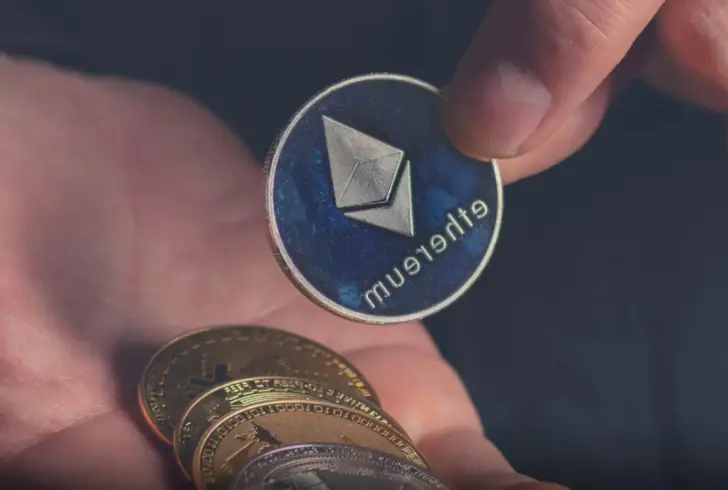
The dominance of Ethereum’s layer-2 scaling solutions further complicates matters for Solana. These layer-2 networks operate on top of the Ethereum blockchain, offering faster transaction speeds and lower fees without compromising on security.
As a result, the total value locked (TVL) on Ethereum’s layer-2 ecosystem dwarfs that of Solana, indicating a significant concentration of DApp activity outside of Solana’s domain.
Derivative Market Sentiment Paints a Bleak Picture
When it comes to gauging market sentiment, the derivatives market can provide valuable insights. In Solana’s case, the funding rate for perpetual futures contracts has remained stubbornly low for the past week.
This signals a lack of excitement from leveraged traders, who are typically the ones driving price movements in volatile markets. The absence of bullish sentiment in the derivatives market suggests that a significant price rebound for SOL may be unlikely in the immediate future.
Can Solana Recover? What Lies Ahead
Solana’s future hinges on its ability to address these challenges. Here are some potential catalysts for a turnaround:
1. Network Upgrade

Solana’s developers are constantly working on upgrades to improve scalability and transaction speeds. Successful implementation of these upgrades could reignite user interest and developer adoption.
2. Enhanced DApp Ecosystem
Fostering a vibrant DApp ecosystem is crucial for Solana’s long-term success. Attracting innovative and high-profile DApps to the platform can significantly boost network activity and user engagement.
3. Addressing Inflation Concerns
To address Solana’s inflation rate, the development team must strategically mitigate its impact. This could involve implementing a token burning mechanism or adjusting staking rewards to make them more competitive with other blockchains.
A Crossroads for Solana
Solana finds itself at a critical juncture. While the short-term outlook appears somewhat bearish, the network’s potential remains undeniable. Whether SOL can bounce back to $130 or climb even higher depends on the team’s ability to address the network’s current shortcomings and position Solana for long-term growth in the fiercely competitive blockchain landscape.