
The real estate world is shifting, not just in value or zoning codes, but in something far more personal—how people want to live. Beyond square footage and resale value, a new kind of property is taking root: wellness estates. These aren’t homes with a spa tacked on for effect; they’re designed to support your health, day in and day out, with the same intention you might bring to your diet or exercise routine.
With the wellness real estate sector valued at $438 billion in 2024 and projected to reach $1 trillion by 2028, this isn’t a passing phase. It’s a mirror of how people now weigh comfort against cardiovascular health, and how the definition of “livable” has expanded.
What Sets These Properties Apart
Forget the clichés of bamboo floors and Himalayan salt lamps. The best wellness estates are deeply integrated ecosystems. We’re talking on-site nutritionists, circadian lighting systems, in-house cryotherapy pods, and biophilic design that’s more than just a potted fern. They’re engineered to keep cortisol down and lifespan up.
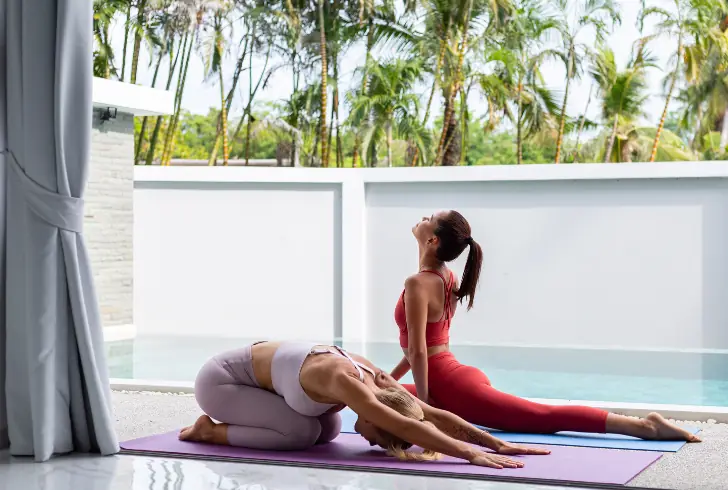
What’s telling is how these features are no longer framed as indulgences—they’re expected. Developers are installing filtered air and water systems, infrared saunas, community gardens with seasonal crop rotation, and even spaces for guided breathwork sessions. Some luxury developments in Europe now include biohacking labs. These spaces aren’t luxury hotels; they’re where people live—and thrive.
Momentum With No Signs of Slowing
Since 2019, wellness real estate has expanded by roughly 18% each year, brushing off global instability that stalled other industries. It’s not hard to see why. A property that actively reduces your stress levels or helps regulate your sleep has intrinsic value in a world where burnout is now a public health concern.
Buyers are adjusting their expectations. Walk-in closets used to seal a deal; now, it’s EMF-blocking paint in the bedroom or community access to functional medicine practitioners. If it contributes to longevity or recovery, it’s part of the value proposition.
The Longevity Mindset Is Driving Design
This movement is powered by something larger than real estate: a cultural obsession with extending not just life span, but health span. That means more people are prioritizing environments that support cognitive sharpness, metabolic stability, and immune resilience well into old age.
There’s synergy between this and what analysts call the “longevity economy,” estimated to be worth $8 trillion by 2030. Real estate is just one spoke in the wheel, but it’s arguably the most foundational. After all, you spend a third of your life at home—if it works against your health, it cancels out a lot of clean eating.
Geographies Leading the Way
North America currently holds the lion’s share of this market—about 44%—but don’t overlook the acceleration in places like Japan, China, and Australia. Interestingly, in parts of India and Southeast Asia, wellness developments are outpacing conventional construction by several multiples, particularly in retirement communities and eco-conscious resorts that double as primary residences.
Why Buyers Pay More and Regret Less
In most markets, wellness homes carry a price tag 25–40% higher than standard builds. Yet buyers aren’t flinching. They’re comparing the costs not to other houses, but to years of healthcare and quality-of-life compromises. The premium isn’t for the marble but the magnesium pool and filtered HVAC system.
Technology That Syncs With Your Body
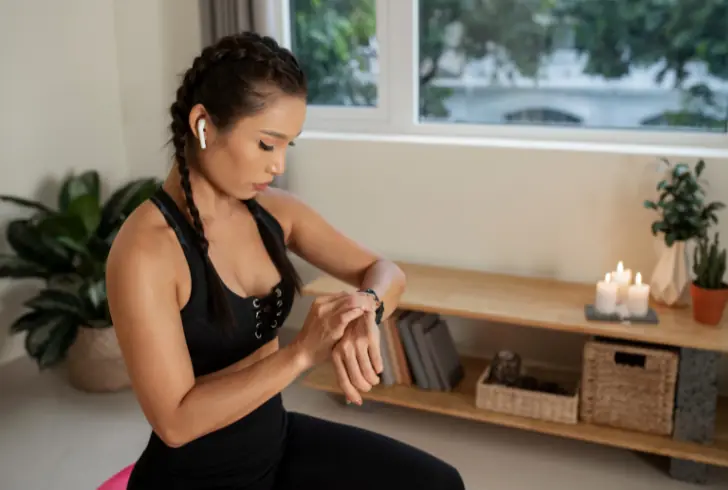
Smart homes are getting smarter—now tuned to your body rather than just your voice. Homes that integrate with wearable tech can adjust lighting based on sleep cycles, suggest dietary shifts via in-home diagnostics, or track your heart rate variability during at-home workouts. But with this convenience comes tension: privacy and health data security are fast becoming part of the buyer’s checklist.
The Road Ahead
This isn’t a niche for spa-lovers—it’s fast becoming the blueprint for the future of housing. Real estate entrepreneurs who understand this are already designing with longevity in mind. The smart ones know that a house designed to protect your mental health is no longer a novelty. It’s a competitive advantage.