The term real estate bubbles is often associated with soaring property prices, but there is a new twist in bubble cities globally: Skyrocketing rents. Across major urban centers, rental costs have surged over the past year, shaking up the real estate market and shifting the conversation from ownership to affordability in the rental sector.
In this article, we will explore the key trends, the cities leading the charge, and what this means for the future of real estate bubbles.
Rising Rents in Real Estate Bubble Cities
Real estate bubbles are typically marked by inflated home prices. But since mid-2022, the story has taken a turn. Inflation-adjusted home prices in bubble cities have fallen by 15%, yet rental prices have risen by an average of 5% in real terms. These numbers point to a changing dynamic: demand for rentals is outpacing the market’s ability to supply them.
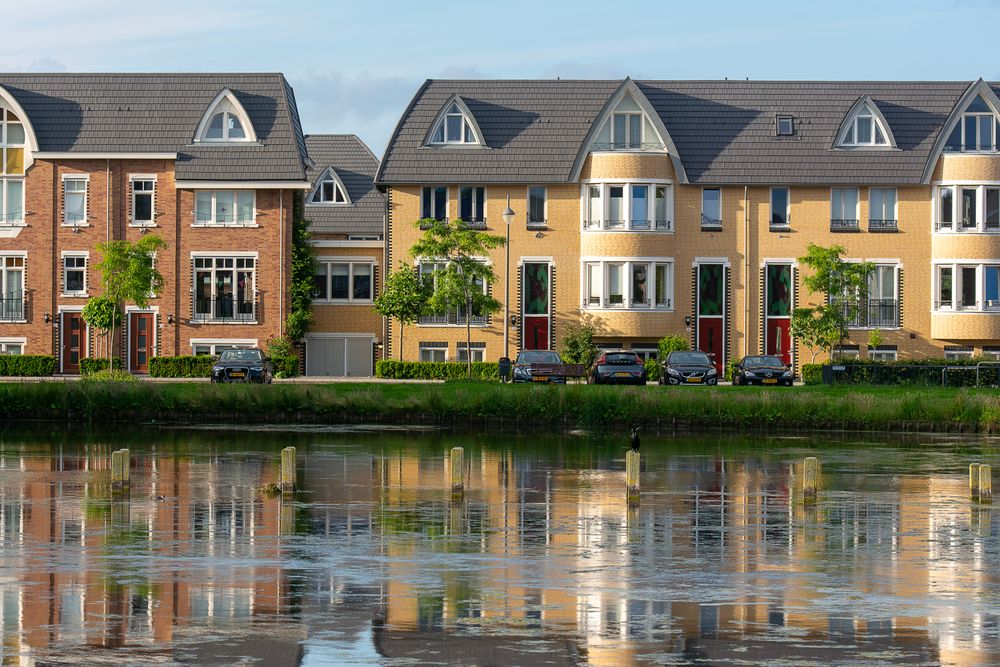
David / Pexels / Dubai tops the chart with an astonishing 16.6% jump in rental prices between Q2 2023 and Q2 2024.
Following closely behind is Madrid, with a 14.1% increase. In these cities, the rise in rents is not just about supply and demand. It reflects deeper economic fundamentals such as population growth, migration trends, and increasing household incomes.
Why Are Rents Rising Faster Than Home Prices?
Higher rents are often linked to speculation in real estate bubbles, but in this case, there is a different driver at play. Dubai’s economy, for instance, has seen an influx of expatriates and professionals seeking opportunities in its booming industries.
This population growth has pushed up demand for rental properties, creating pressure on limited housing stock.
Similarly, Madrid’s rental growth reflects its evolving economic appeal. The city has seen significant development in its tech and financial sectors, attracting skilled workers who are driving rental demand. These trends reduce bubble risks, as higher rents signal genuine demand rather than speculative investment inflating home prices.
Global Hotspots
The latest data paints a clear picture of where rental pressures are strongest. Zurich and São Paulo, tied at 8.1% rental growth, show how this trend is not limited to one region. Zurich’s increase is rooted in its stable yet competitive job market, while São Paulo’s growth reflects ongoing urbanization and a housing supply crunch in South America’s largest city.
Meanwhile, Milan and Munich, with increases of 4.7% and 4.4%, respectively, highlight how European cities are also grappling with rental market pressures.
What Is Happening in the Lower-Tier Bubble Cities?
While cities like Sydney show smaller rental increases (3.5%), they still demonstrate a notable trend. Even cities with relatively moderate rent growth are seeing pressure due to rising wages and consistent demand. These smaller changes may seem minor compared to Dubai or Madrid, but they still outpace inflation, creating affordability challenges.
Sydney’s story is one of balancing population growth with limited housing infrastructure. Despite lower growth rates than Dubai or Madrid, even modest rent increases make affordability a hot topic in these markets.
How Are Rents Affecting Real Estate Bubble Risks?
Soaring rents are reshaping the real estate bubble narrative. Previously, speculation inflated home prices and drove bubble risks. Now, rising rents reflect genuine demand, which could reduce the risk of market crashes.
When demand stems from factors like population growth and higher wages, the market becomes less speculative and more sustainable.
Take Milan and Zurich as examples. These cities are seeing steady rental growth but without the dramatic home price increases of the past. This trend signals a healthier real estate market, where prices align with real economic conditions rather than speculative buying.