
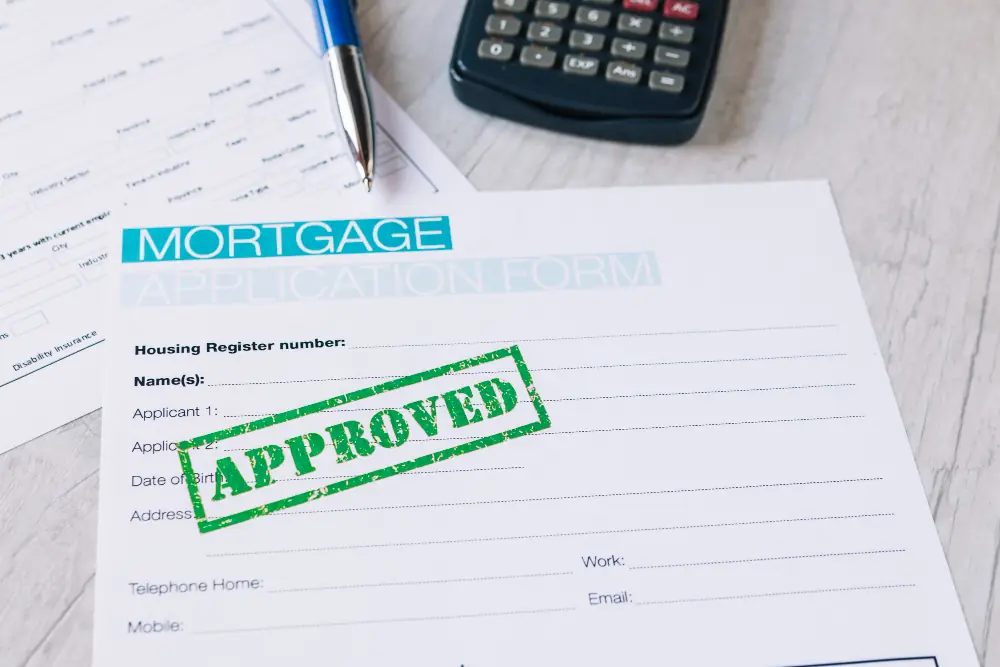
If you have ever asked yourself, what is escrow on a mortgage, you are not alone. This term might seem daunting at first, but understanding it can simplify the complexities of homeownership. An escrow account associated with a mortgage is a financial arrangement where a third party holds and regulates the payment of funds required for two parties involved in a given transaction.
What is Escrow on a Mortgage?
When you purchase a home, your lender may set up an escrow account for you. So, what is escrow on a mortgage exactly? Essentially, it is an account managed by your mortgage lender to pay your property taxes and homeowners insurance. Each month, a portion of your mortgage payment goes into this account.

So, having an escrow account ensures that your important property-related bills are paid on time, protecting you from potential lapses in coverage and late fees. This setup can be particularly beneficial for first-time homebuyers who might find it challenging to manage large, infrequent payments on their own.
How Does an Escrow Account Work?
Understanding how an escrow account works is key to answering the question what is escrow on a mortgage. Well, each month, you make a mortgage payment that includes not just the principal and interest on your loan, but also a portion for property taxes and insurance. Your lender then deposits these additional funds into your escrow account.
As tax and insurance bills come due, your lender will draw from this account to pay them. It is like a savings account for your home-related expenses, except you don’t have direct access to it. Instead, your lender handles all the payments, ensuring that everything is paid on time and in full.

What are the Benefits of an Escrow Account?
You might be wondering, “What is escrow on a mortgage good for?” The primary benefit is convenience. An escrow account takes the hassle out of managing large, periodic payments for property taxes and insurance. Instead of scrambling to come up with a lump sum once or twice a year, you can spread these costs out over 12 months.
This arrangement can protect you from lapses in insurance coverage and prevent penalties for late tax payments. Plus, lenders often require escrow accounts to minimize their risk, as unpaid taxes or insurance could jeopardize their investment in your property.
What are the Disadvantages of an Escrow Account?
While escrow accounts offer many benefits, they are not without drawbacks. Some homeowners might feel a loss of control since the lender manages the payments. Additionally, if the estimated costs for taxes and insurance are too low, you might face a shortage in your escrow account, requiring you to pay the difference.

Apart from that, the funds in your escrow account do not earn interest. This means you are essentially giving your lender an interest-free loan. For some, the predictability and convenience outweigh these downsides. But it is important to weigh both the pros and cons.
What are the Requirements for A Mortgage Escrow Account?
If you are still curious about what is escrow on a mortgage and whether it is mandatory, the answer depends on your lender and loan type. Many conventional loans, especially those with a lower down payment, require an escrow account. Government-backed loans like FHA and VA loans also typically require escrow accounts to safeguard the lender’s interests.
However, if you have a substantial down payment or an established history of managing your finances responsibly, your lender might waive this requirement. This option, known as an escrow waiver, allows you to handle tax and insurance payments directly. Keep in mind, though, that lenders may charge a fee for this waiver.